
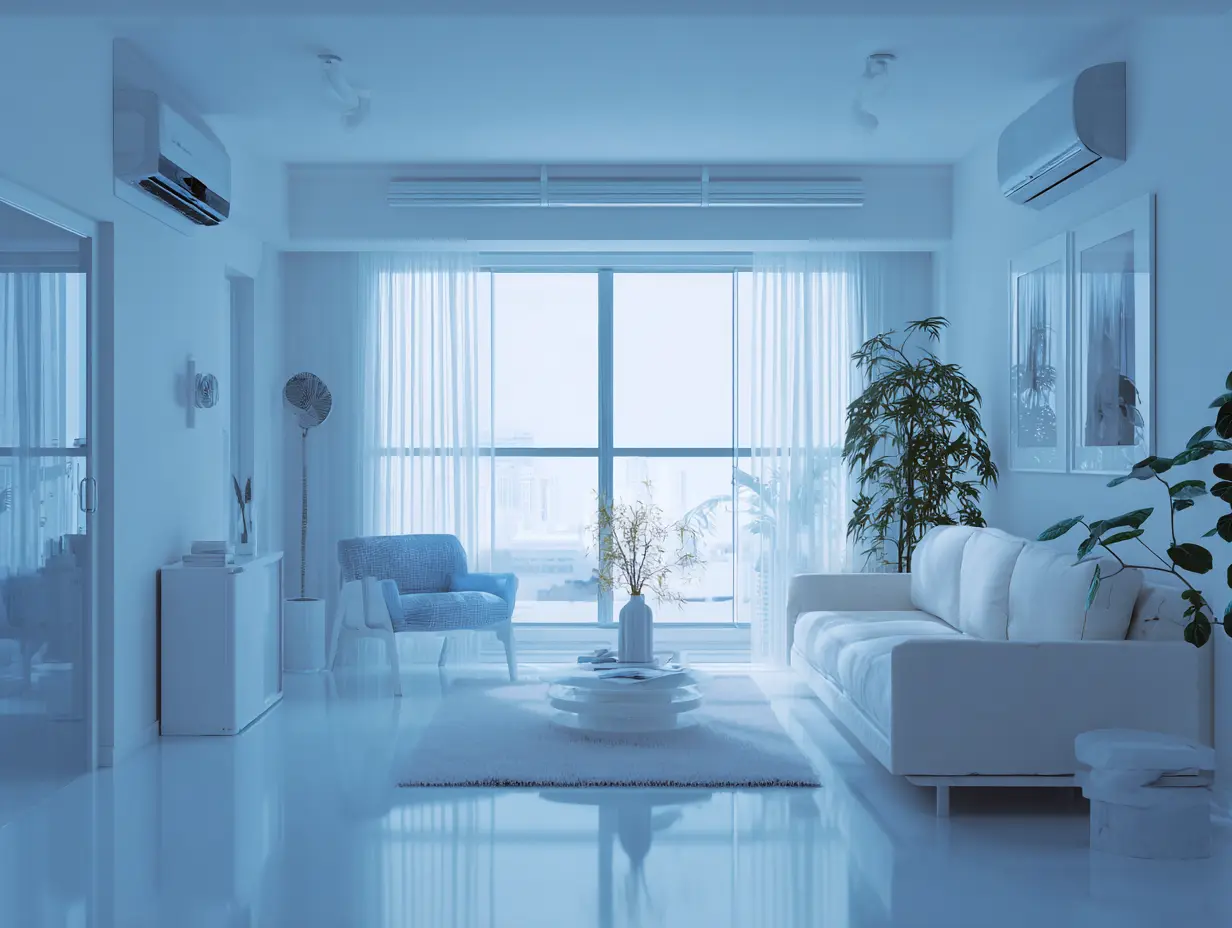

All-white interiors have been declared “over” more times than anyone can count. Yet year after year, they remain one of the most enduring design choices in both contemporary and historic homes.
From Scandinavian minimalism to Mediterranean villas, white has long served as a foundation rather than a trend. Designers continue to return to it not because it is dramatic — but because it is adaptable.
And in 2026, that flexibility feels more relevant than ever.
Why White Never Really Goes Out of Style
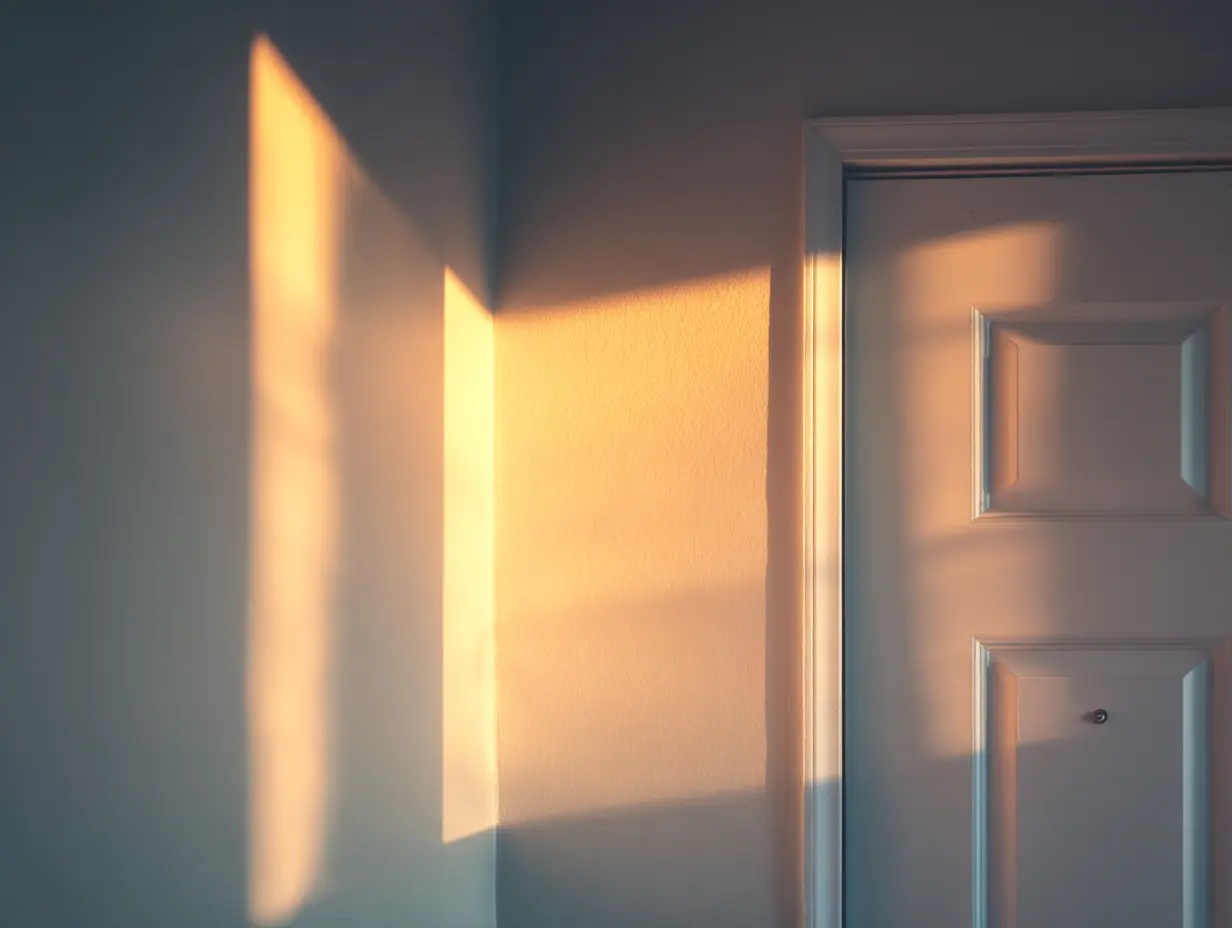
White works because it reflects light. That’s not aesthetic opinion — it’s physics.
Lighter surfaces bounce natural light deeper into a room, which can make spaces feel larger and brighter. This is one reason white has been widely used in smaller urban apartments and older homes with limited window exposure.
It also acts as a neutral backdrop. Interior designers often compare white walls to gallery spaces: they allow materials, art, and architecture to stand out rather than compete.
Designer Leanne Ford, known for her texture-driven white interiors on HGTV’s Restored by the Fords, has frequently spoken about white as a timeless base rather than a passing fad. The appeal lies not in the absence of color, but in what white allows you to see more clearly.
The Secret Isn’t Color — It’s Texture
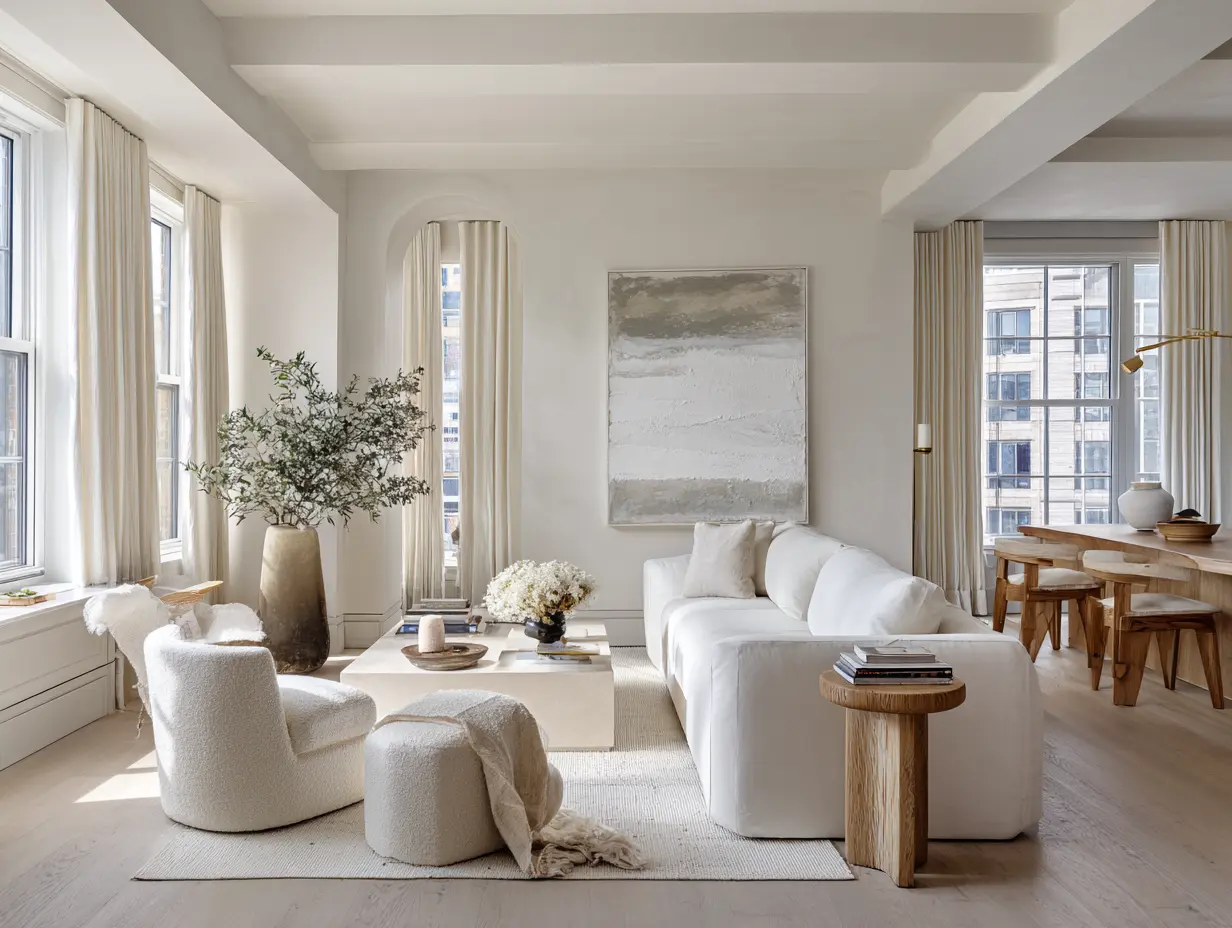
The biggest misconception about all-white rooms is that they are stark. In reality, successful white interiors rely heavily on texture.
Plaster walls, linen upholstery, brushed wood, natural stone, ceramic, and layered textiles create depth without introducing visual noise. When everything is white or off-white, differences in material become more noticeable.
That subtle variation is what prevents monotony. Without texture, white can feel flat. With it, the space feels layered and intentional.
Choosing the Right White Matters
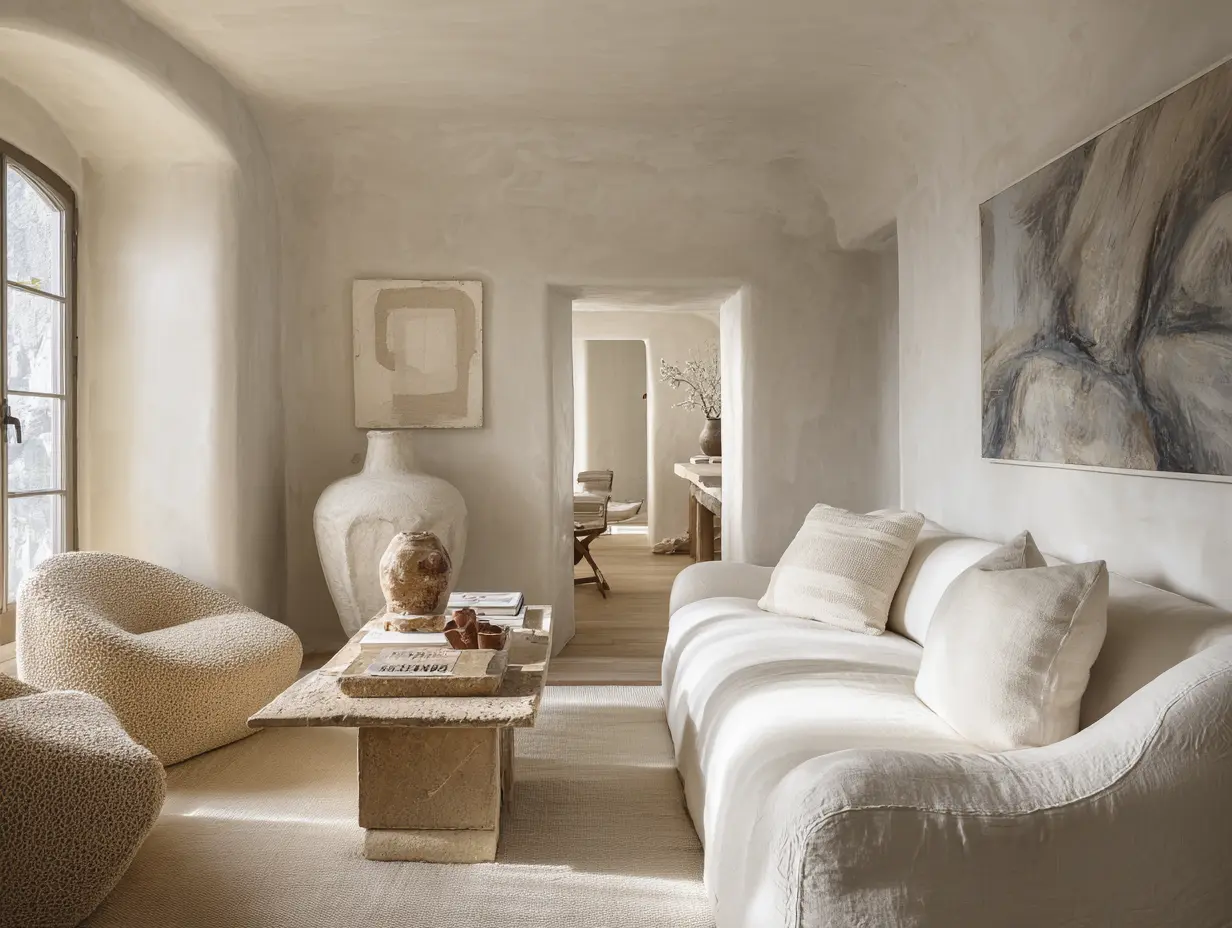
There isn’t one universal white. Some shades lean cool and crisp, while others have warmer undertones. Paint brands like Benjamin Moore and Sherwin-Williams offer dozens of variations precisely because lighting conditions drastically affect how white appears.
North-facing rooms often benefit from warmer whites to counteract cooler natural light. South-facing rooms can handle cleaner, brighter tones. The difference may seem subtle on a paint chip — but once applied to a full wall, undertones become obvious. Designers typically test samples at different times of day before committing.
Why White Feels Calmer in 2026
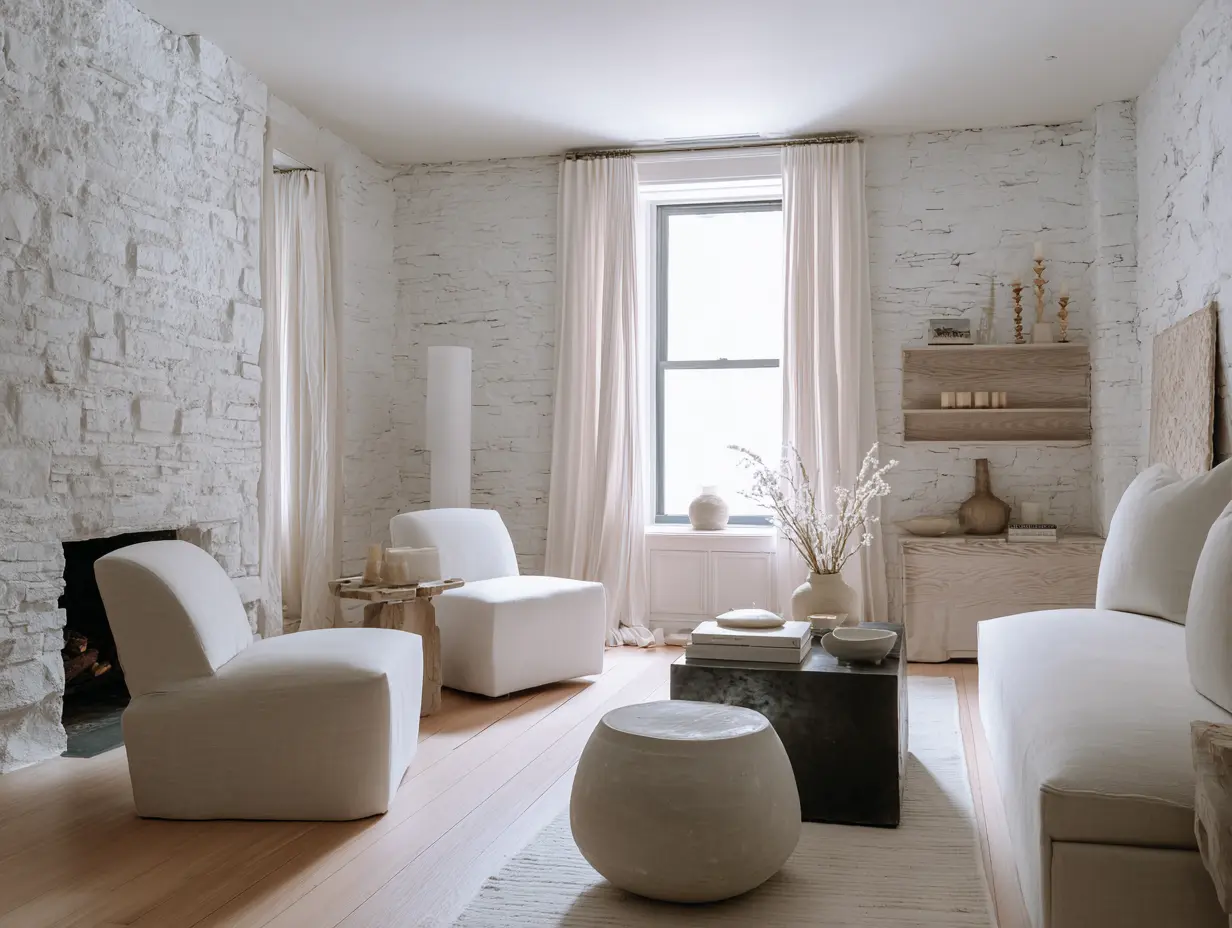
In recent years, interiors have shifted toward calmer, more restorative environments. White supports that shift by reducing visual clutter. It simplifies the backdrop, allowing furniture lines and architectural shapes to define the space. But the goal is not sterility. The most compelling white rooms incorporate warmth through:
- Natural wood
- Vintage pieces
- Woven textiles
- Indoor plants
- Layered lighting (preferably on dimmers)
These additions prevent the space from feeling clinical.
The Enduring Appeal
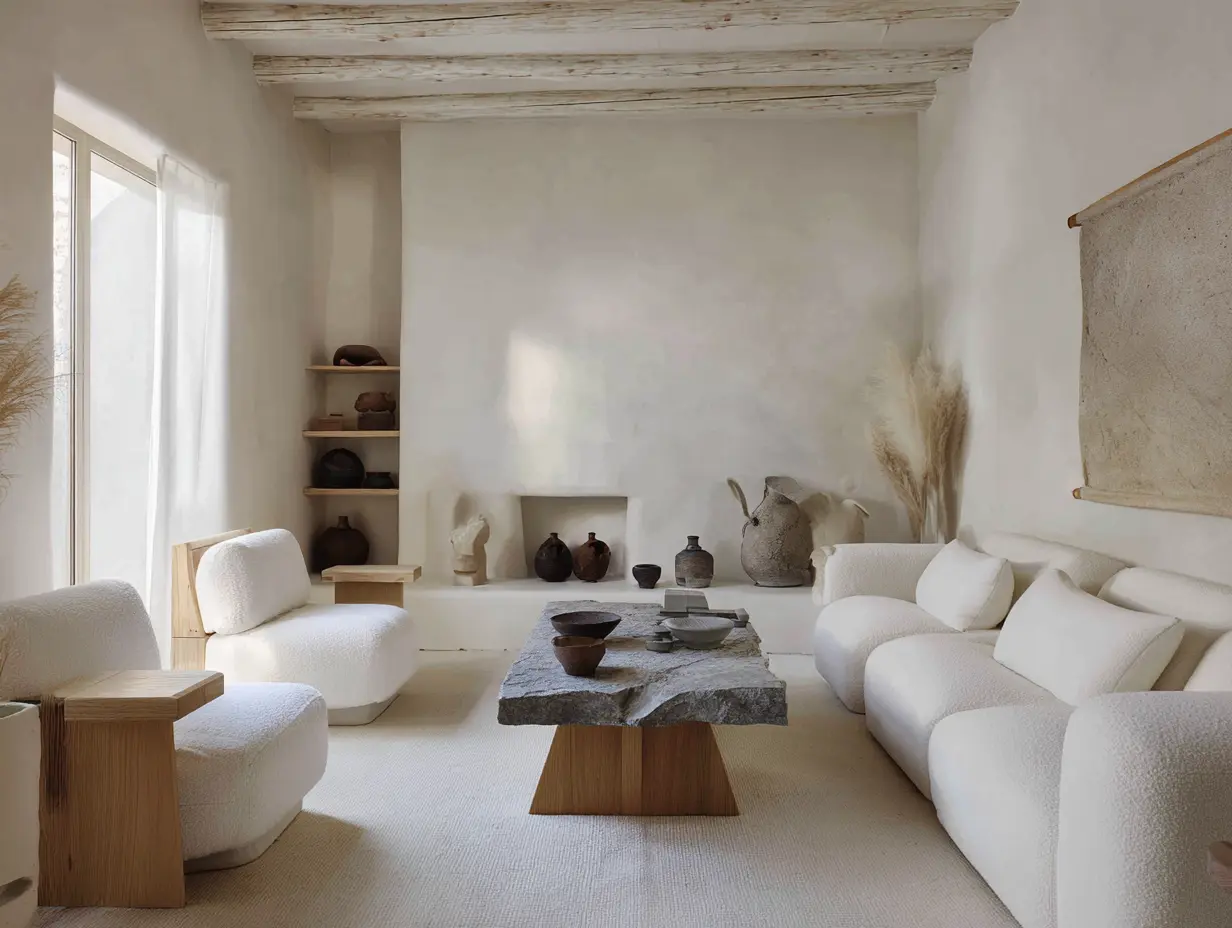
The longevity of all-white interiors comes down to restraint and balance. When done thoughtfully, white doesn’t dominate a room — it highlights it. Trends will continue to shift toward earthy tones, saturated colors, or bold patterns. Yet white remains the quiet constant in the background of design history.
Not because it demands attention. But because it allows everything else to shine.